A business in one sentence.
Want a business ofyour own, all in one place?
Write which business you want and in which niche, and you get a name, a brand, a site, pages, and shelves with a brief for each product. After that you can buy real advertising and count how many people click and how many add to a basket.
Mia answers once you are in, because she works from your ideas and your tests rather than from memory. The sentence you write here comes with you.
- You write a sentenceOne line about what you want to sell. Nothing else to fill in.
- You get a businessA brand, pages, and shelves waiting for a real product, at a public address you can share.
- You buy evidenceEverything above costs nothing. A demand test spends real money into advertising and hands back one number.
Not you, not whoever is selling you a course, and not us either. The difference is that we do not guess. We buy real advertising against your idea, count who clicked and who added to a basket, and hand back one number you can decide on.
The stop threshold is set and recorded before a single impression is bought. Not because we promised, but because the system will not accept results until it is locked.
One sentence. Then a business.
Iwanttosellharnessesformediumdogs
- Reading the sentencecategory, product, audience and address
- Building a branda name, one line, a colour and a typeface
- Writing the shoppages and real text
- Setting the shelvesa place for each product, and a brief you could take to a supplier
- Listing what is not knownwhat is missing, written down plainly
They sell you certainty. Certainty is the one thing that cannot be sold.
"Winning product". "Proven formula". "$10,000 a month". Anyone saying that to you before buying a single impression on your behalf knows no more than you do. They are simply willing to say it.
And the sad part: you probably find out only after paying for the course, opening a shop, ordering stock, and waiting two months for traffic that never arrives. The cost of finding out is not the course. It is everything that came after it.
The same thing can be found out in a week, for an amount you are willing to lose.
Five steps. Their order is the whole point.
- 01
You write one sentence
"I want to sell harnesses for dogs". In your own words, no jargon. That is all it takes to start.
- 02
We build you a whole business, free
A name, colour, typeface, pages, and six to eight shelves with a sourcing brief on each. All of it editable by talking to Mia, and publishable at a public address. What we will not do is fill those shelves with products nobody has checked.
- 03
We lock the thresholds
Budget, duration, and a stop threshold, meaning how much one add to cart may cost before the idea is losing money. All of it recorded with a timestamp before any advertising goes live.
- 04
The advertising runs for 72 hours
Real ads, to a real audience, in the market you chose. Real people see the product, and whoever wants to clicks and adds it to a basket.
- 05
You get a verdict
The numbers, the arithmetic, and the comparison against the threshold locked at step three. Only three verdicts exist: stop, test again, continue.
This list exists so you can catch us.
Look at step three. If the threshold were set after seeing results, it could always be stretched until the answer came out "continue". That is exactly what turns a report into a sales letter. Here the results form does not exist until the threshold is saved.
If an add to cart costs more than the item earns, the idea is losing money. Even if every basket in the world became an order.
This is not an opinion or a feeling, it is arithmetic, and you can check it yourself on any report we send. The threshold also cannot be moved afterwards: it is saved in the database with its own timestamp, before fields for results exist at all.
The verdict you get and the explanation under it come from the same function, so they cannot say two different things. You get the raw numbers regardless, so you can do the arithmetic yourself.
Under two add to carts we do not compare against the threshold at all. A number resting on one basket is noise, and comparing it would hand you a confidence nothing supports.
In that case the verdict is "test again", and we write plainly that the test did not decide.
One of them is worth more to you than the other two, and it is the one nobody wants to sell you.
This idea loses money
The cost of an add to cart went past what the item earns. It is the most valuable answer you will get here, because it arrives before the stock, before the shop, and before the two months.
Not decided
The numbers landed in the middle, or there were fewer than two add to carts and there is not enough signal to decide either way. That is not "no demand", it is "not known yet", and we will say it in those words.
There is something here
Orders were measured and each one cost under half what the item earns. It does not promise you will profit. It says the numbers justify the next step.
Plate 01 · a catalogue not yet tested
This is what a real catalogue looks like before anyone knows what sells.
Four real items from the shop belonging to Atollo7's founder. Not one of them has been put in front of paid traffic.
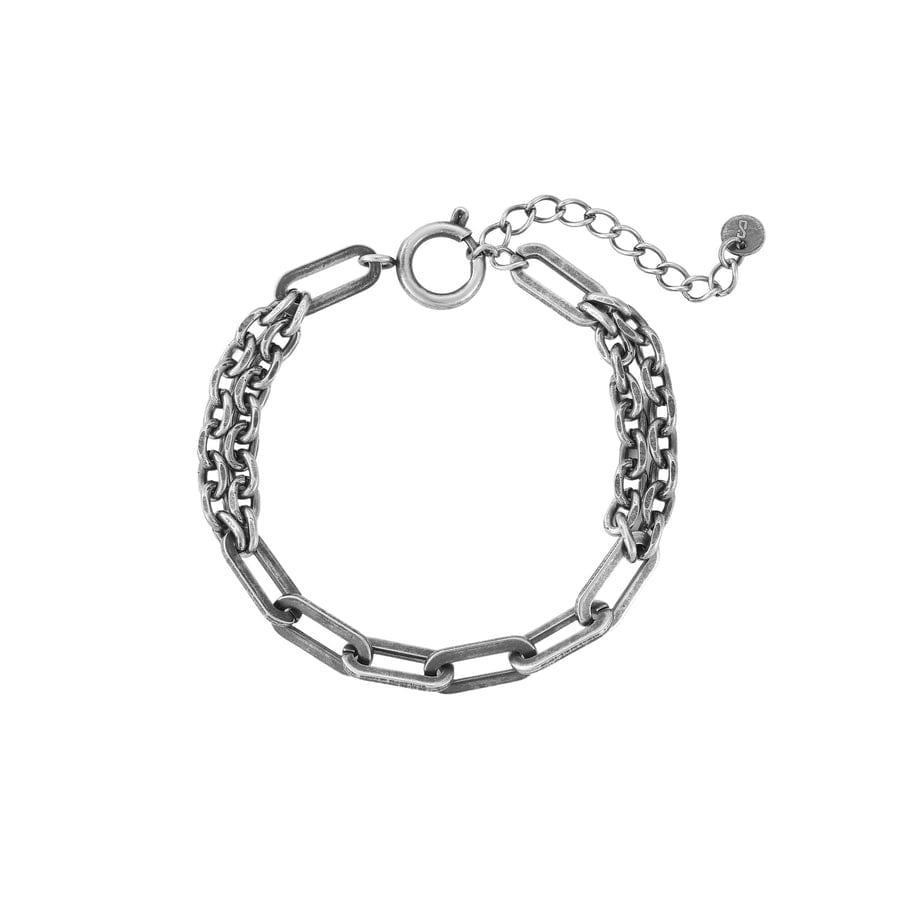
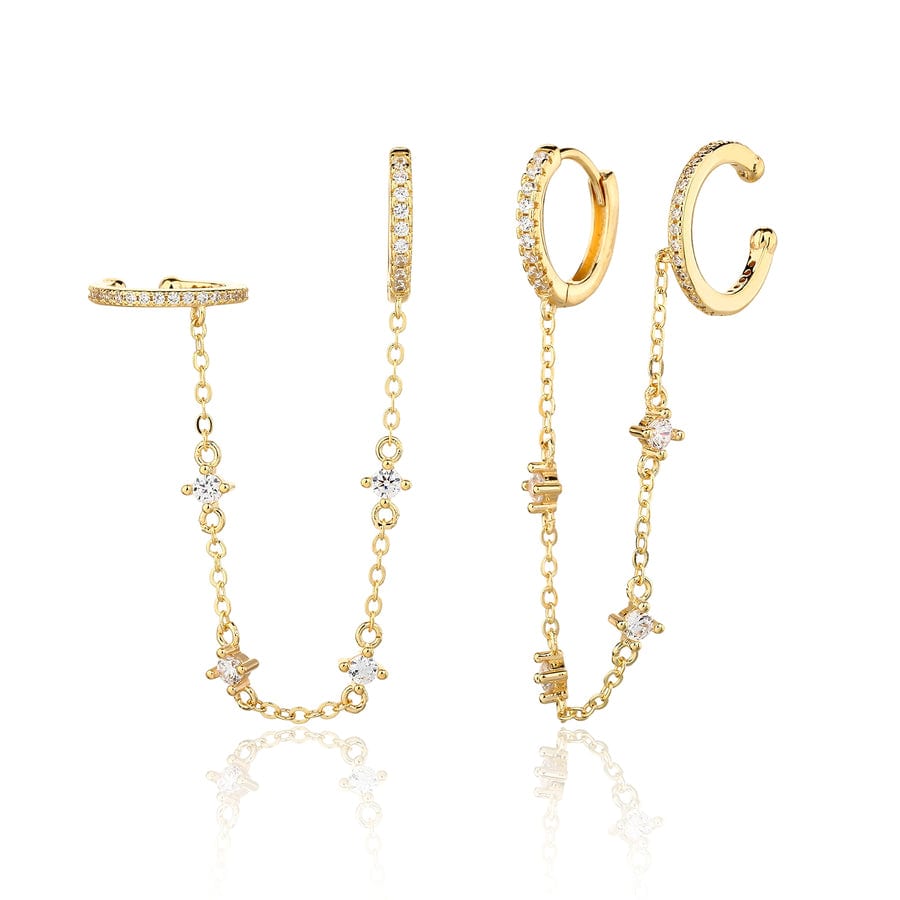

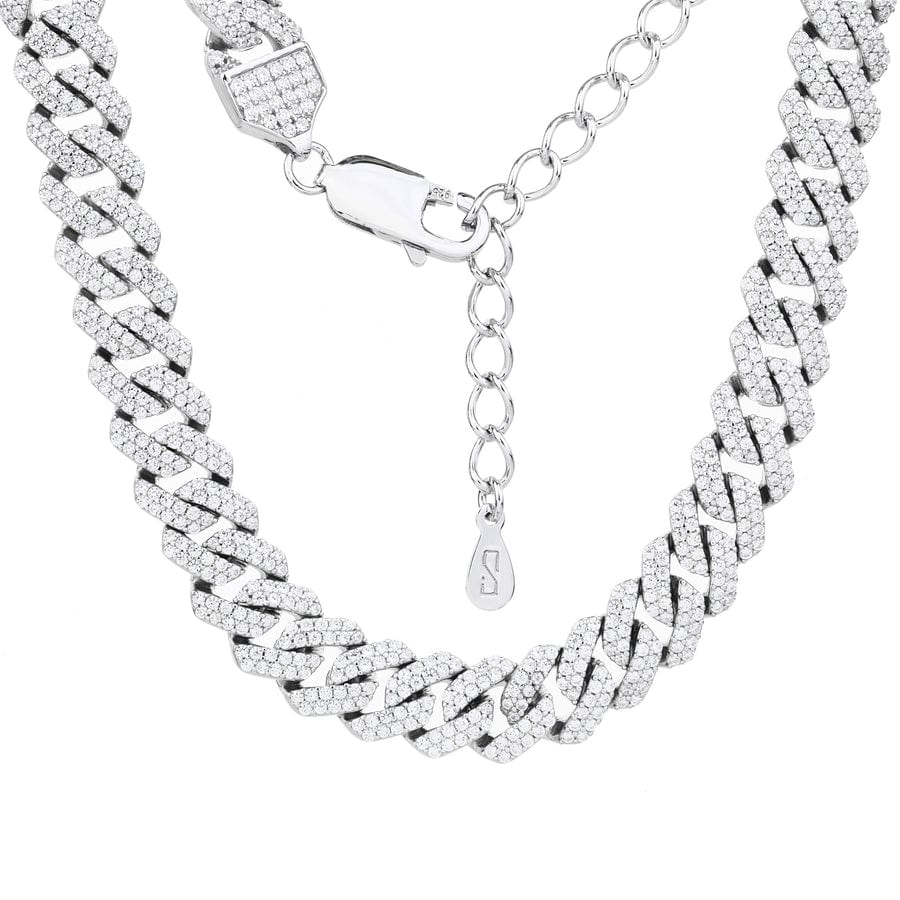
Notice what is not here: no “best seller”, no conversion rate, no success story. Those are exactly the things we would be inventing if we wanted to sell you certainty instead of a test.
The arithmetic is the same for a dog harness and a pendant. So everything is open.
- 01
Dogs and cats
Sizing. A harness that does not fit comes back, and a used item returned off an animal is a total loss. Start with one item in one size.
- 02
Clothing
The size chart is the whole business. Fashion has the highest return rate of any category, and it is high enough to turn a healthy gross margin into a loss.
- 03
Homeware
Volume and breakage. Shipping a vase costs what the vase costs, and anything broken on the way is yours to absorb. Check the shipping cost before you fall in love with the product.
- 04
Beauty and skincare
Regulation. Cosmetics need registration and labelling in most markets, and the rules differ in each one. Find out what yours requires before you order stock, not after.
- 05
Babies and parents
Safety and standards. Baby products are the category that reaches the news fastest when something is wrong. Standards first, marketing second.
- 06
Fitness and sport
Weight. A yoga mat is fine; dumbbells are a shipping bill that eats the whole margin. Look at grams before you look at price.
- 07
Kitchen and housewares
Food contact needs approval, and the category is saturated. If your product is in thirty other shops, you are competing on price alone.
- 08
Outdoors and camping
Seasonality. A demand test in August says nothing about January. Write down when you tested, because that is part of the result.
- 09
Car accessories
Fitment. 'Fits all vehicles' is almost never true, and every mismatch is a return.
- 10
Gifts and keepsakes
Demand clusters around dates. A test in an ordinary week and a test two weeks before a holiday are two completely different tests.
- 11
Gadgets
Electrical goods need certification, and lithium batteries are restricted in air freight. Check both before you order.
- 12
Jewellery
What you say about the material has to be true. 'Gold plated' and 'gold' are two different products, and a customer who works out the difference a month later does not come back.
- +
and whatever is not on the list
We do not have an exact category for this business, so we do not have its typical failure to point at either. That is missing knowledge, not a good sign.
Every category has its own trap and we tell you yours up front: in clothing it is the size chart, in homeware it is shipping and breakage, in cosmetics it is regulation, in baby products it is the safety standard. This is not here to impress you. It is what closes shops.
There is someone to talk to, and she can see your numbers.
Mia is the assistant inside the system. She is not a general chat box advising from memory. She is handed your ideas and your tests before she answers, and works to the same thresholds the system works to.
What she will not do: promise you income, invent a statistic, or claim a test produced a result that does not exist in your account. When she does not know, she says she does not know.
Building is free. You pay for the thing nobody else will give you: evidence.
A brand, a shop and pages can be had free in a few clicks today, so they are free here too. Products and legal documents you will not get here at all: a product with no real supplier behind it, and terms generated automatically, are precisely the things that look finished and are not.
Advertising is not included in any plan
A test spends real money into Meta. That money is yours and it passes at cost, and you see the figure before a single impression is bought. Folding it into a monthly price would mean either a cap nobody mentioned or a loss on every test.
There is no course here, no paid community, and no next step we sell you after you pay. If the answer is stop, you got exactly what you paid for.
No promising you income, profit, or a time to break even. We do not know, and anyone claiming to know is lying.
No showing reviews, success stories or other customers' numbers. There is not one testimonial on this site, and that is not an accident.
No selling you a "winning" product. A test tests YOUR idea.
No changing the threshold after seeing results. The system blocks it, not just our intentions.
No giving financial or legal advice, or telling you what you should do. Only what the numbers said.
No holding your business hostage. Your data is yours, at any moment.
This list exists so you can catch us.
What people usually ask
Why 72 hours and not longer?
Long enough for the algorithm to leave its learning phase and bring real traffic, and short enough that the answer arrives before you fall in love with the idea. If the result did not decide, that is a "test again" verdict rather than a guess.
I have no shop and no stock. Is that alright?
Yes, and that is the point. The test measures demand before there is anything to sell, otherwise it arrives too late.
What if the answer is stop?
Then you saved the stock, the shop and the two months. It is the answer most worth getting early, which is why we are not embarrassed by it. You can test a different idea.
How do I know you did not arrange the numbers?
The threshold is saved in the database with its own timestamp, before fields for results exist at all. You see both timestamps in the report, and the raw numbers, not only the verdict.
Do you build me a shop as well?
Yes, and that is the part that costs nothing. From one sentence it writes a brand, colour, typeface, pages, and six to eight empty shelves with a sourcing brief on each. You can publish it at a public address and send it to somebody.
What we will not do is fill those shelves with products nobody has checked. That is exactly where it breaks, which is why the shelves stay empty until there is a real supplier behind them.
Find out in a week what others find out in six months.
One idea, one sentence. We take it from there.
Start a testWe do not promise. We prove.